The opportunity
Most hiring platforms were built for white-collar workers who actively search for jobs, maintain LinkedIn profiles and apply through structured online workflows. Blue-collars, particularly skilled electricians, behave very differently. Across Europe, hiring in this category still happens mostly through referrals, WhatsApp groups, former colleagues and word of mouth. Many highly qualified technicians do not even have CVs, which means they remain invisible to traditional recruitment platforms despite being among the most important workers in Europe today.
At Brighteye, we believe that Europe’s industrial future increasingly depends on them. The electrification of transport, factories, grids and buildings is creating massive demand for electrical workers, while ageing demographics and limited training capacity continue to constrain supply. Companies across energy, construction and manufacturing are struggling to hire fast enough to deliver critical projects, turning labour shortages into a structural bottleneck for industrial growth. For years, these shortages were manageable inefficiencies and they are now becoming hard constraints on Europe’s industrial ambitions.
What is Gyver?
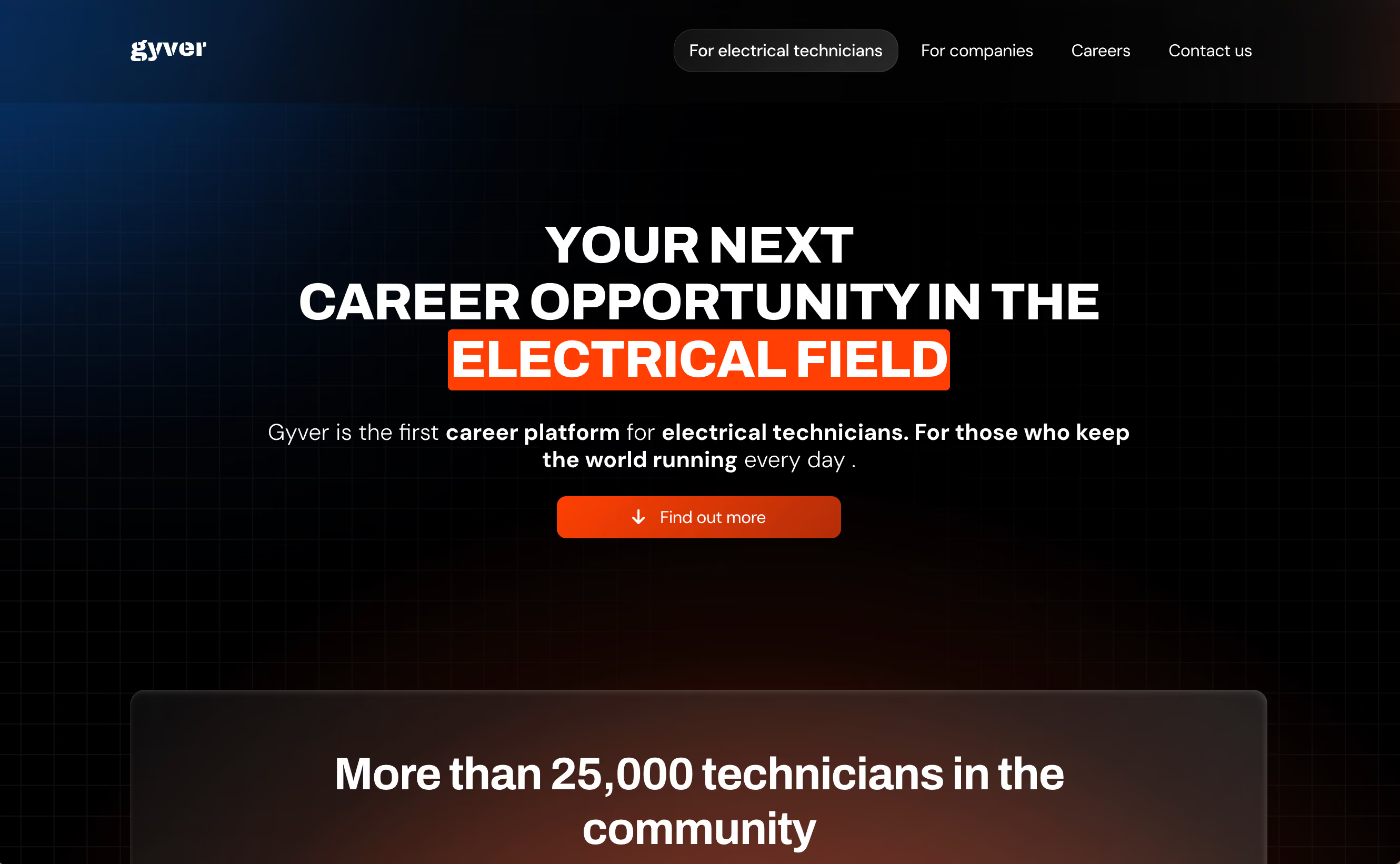
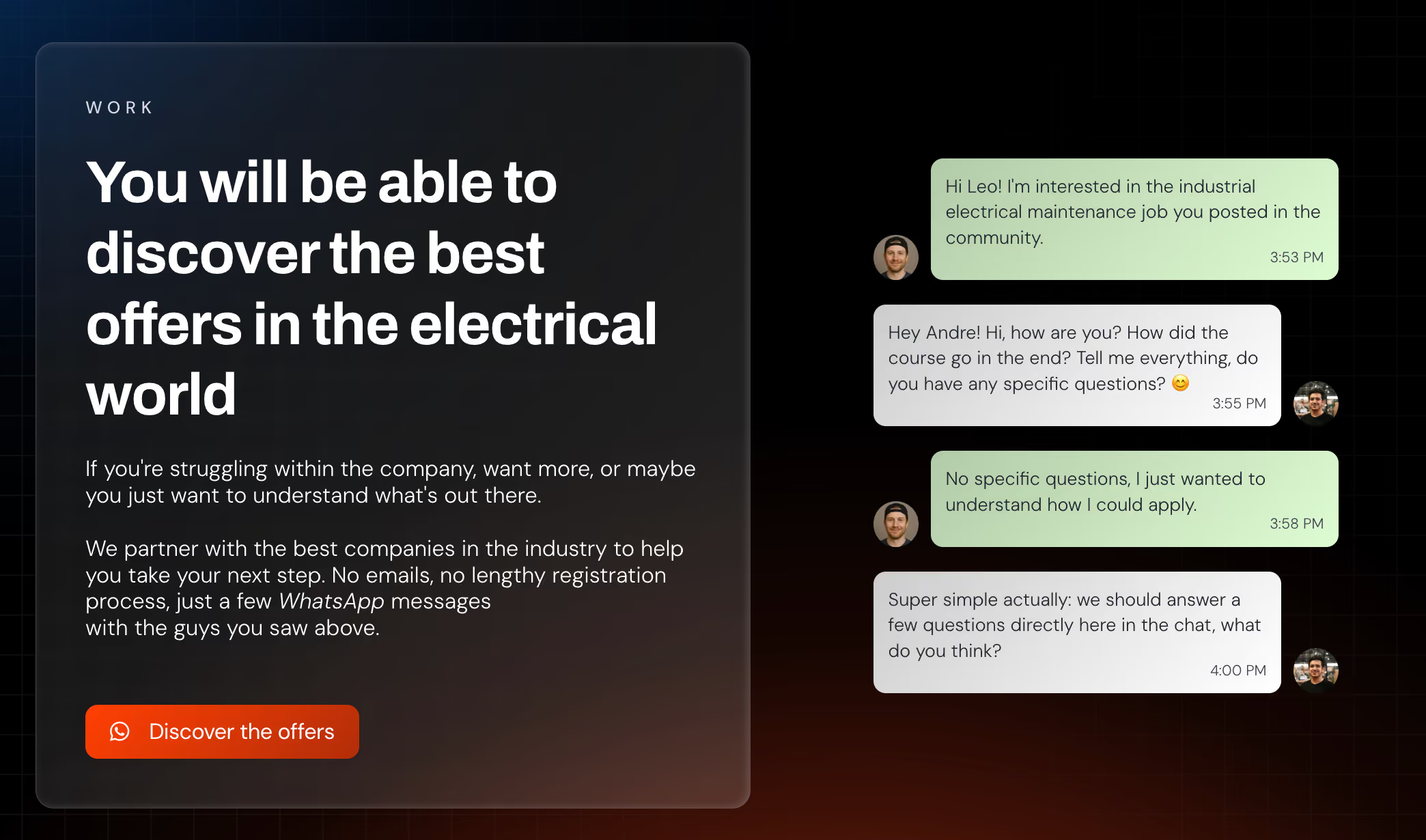
Instead of building another generic job board, the team built a conversational hiring platform designed around how electricians already communicate and find work. Workers interact primarily through WhatsApp, answering structured prompts around experience, certifications, salary expectations and availability, while employers receive enriched and highly qualified candidate profiles.
What looks simple on the surface is actually a powerful data and workflow advantage. By removing friction and embedding itself into existing worker behaviour, Gyver is able to reach passive talent that traditional platforms fail to capture.
Three things convinced us early on:
- When we met Francesco, Leo and Mattia, what stood out immediately was that they understood this problem from direct operational experience. Before building Gyver, they had already worked together in the solar installation sector and had seen firsthand how technician shortages slow projects and create operational friction across the industry.
- The early execution has been impressive. In less than a year, the team has built a network of around 25,000 electricians, onboarded customers including Schneider, Amazon and Boffetti, and materially improved hiring speed compared to market benchmarks.
- What also convinced us is the broader vision behind the company. Over time, Gyver plans to expand beyond hiring into learning, compliance and AI copilots that support technicians directly in the field. We believe some of the most important AI companies of the next decade will not replace skilled workers, but make them more productive, more connected and more valuable in increasingly constrained industries.

At Brighteye, we invest in systems helping people learn, work and adapt continuously. Gyver fits this thesis strongly, and we are excited to support Francesco, Leo and Matti alongside Vento, Zanichelli Venture, Antler and āltitude, and an exceptional group of angels as they build the workforce infrastructure for Europe’s new industrial era.